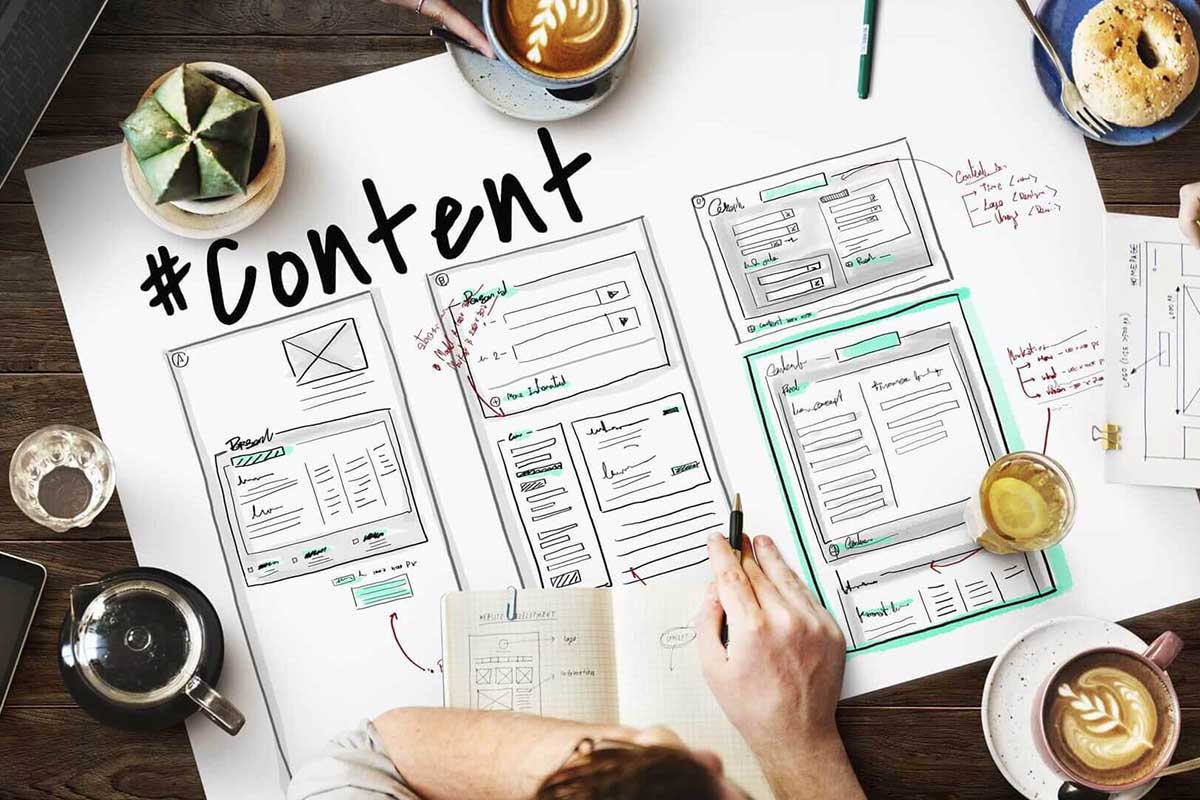
Treasure and the hunt: a content strategy take on user experience
The September 21st post on the popular Jakob Nielsen’s useit reinforces a perspective that I’ve been expressing for a while now, so this seemed an opportune time to articulate it here.
The people who come to your site, who are generally called “users,” come there to consume content. It doesn’t matter whether the content is text, audio, graphics, or video, and it doesn’t matter whether the content is of the persuasive, instructional, or entertainment variety. The people who come to your site are content consumers, and they have searched out, or navigated to, your site to find some content to consume.
When a content consumer comes to your site and finds what they’re looking for, they consider the endeavour a success. In other words, they went on a treasure hunt found the content “treasure” they were looking for. When the hunt leads to no treasure, the time and mental energy spent is considered a waste, no matter how good the rest of the user experience.
Here’s a real-life illustration. Last year, my mother was diagnosed with cancer. When my sister called me from the other side of the country to tell me the news, I had all sorts of questions. As the eldest child, I’m the “fixer” and went into high gear, doing research to find answers to the questions no one had thought to ask at the time. I chose to look through the Mayo Clinic site, as they are a reputable source of information. Thankfully, I found the answers, and could provide links to my sister so she could read up on the topic, as well.
What would have been my response had I not not found the content I needed? Would I have been impressed with the navigation, the colours, the affordance on the buttons? I think not. I would have uttered a frustrated “this is terrible,” or something more colourful, and left the site in frustration.
In my case, the process of the hunt became invisible. This is because of the care that the Mayo Clinic team put into creating usable navigation and wayfinding aids. (Had the design been flawed, the hunt would have been impeded, and that would have warranted a frustrated outcry of a different tone.) More important to me, however, was that the content that I had set out to find was actually there. It would never occur to me to wander around the Mayo Clinic site to marvel over the user experience of their site – well, actually, I would, but only because I’m an industry geek with infinite curiosity – but it would occur to me to read everything I could get my hands on about the topic at the forefront of my mind.
I relied on the clues that got me to the treasure in the most efficient way. This form of wayfinding is a critical aspect of user experience, but it is not the entire user experience. It may be convenient to abdicate responsibility for wayfinding to the information architects, interaction designers, and other user experience professionals whose work scope includes these aspects of site design, but it is certainly not effective. In other words, the user experience is not complete without good content.
Dorian Taylor, who comes from the technical side, hit the nail on the head when he wrote: “Rather than designating content as something that is plugged into a decorated shell, why not endeavour to put it at the centre?” This fits nicely with a content strategy perspective, where we recognize that content is not a shell game.
Popularity: 11% [?]
Comments
Leave a Reply
Recent Posts
- Managing Your Brand Online: Two Workshops
- Underestimating the “yes but” factor
- Registration now open for content strategy conference
- Consequences of not having a good content strategy
- Content strategy explained: two perspectives
- Naming the “other” type of content strategy
- Managing Your Online Brand: A Vancouver Workshop
- How to alienate customers and drive away prospects
- Treasure and the hunt: a content strategy take on user experience
- Favicons
Categories
Tags
accessibility ann rockley career development CMS content as asset content convergence content management content strategy convergence DITA Duo Consulting experience design Flash implementation information architecture integration intelligent content interaction design management marketing mentors microformats open standards politics processes professional development ROI search section 508 services single-sourcing social media STC structured content syndication taxonomy TechCraft translation Twitter usability user-centered design user-generated content user experience value XMLPopular
- Using topic-based writing to meet aggressive deadlines
- Flash pages, skip intros, and other annoying content
- Content strategy includes convergence, integration, and syndication
- Content strategy and the new face of documentation
- CMS selection practices need maturation
- Redefining content strategy
- A practical definition of content
- The Content is Not in the Tool: Using Blogging, Microblogging, and Related Social Media Tools to Get Jobs and Influence People (or not)
- 5 Top Business Benefits of Content Re-Use
- Having community means growing community
Random Posts
- RT @janusboye: View slides from "Succeed Fast" - excellent talk by @proops on better #projectmanagement: http://gu.nu/3zBU 1 day ago
- Broken brand. RT @kirstyt: Disneyland website REALLY unfriendly for non-US details. Must have 5 digit post code. phone no in 3-3-4 format. 1 day ago
- Death of #Flash? RT @zeldman: In A List Apart 302: Flash and Standards: The Cold War of the Web by Daniel Mall. http://j.mp/aPFK4x 1 day ago
- Good post - just scratches the surface, tho. RT @cmswire: Key Questions Rarely Asked About Website Content Migration http://bit.ly/bsG8hs 6 days ago
- More updates...


Latest Tweets
RSS feed
Twitter