Poor usability marring site experience sparks thoughts on ROI
I just received an email from New Media BC asking me to update my profile. The link went to their site, but from there, I was stymied. As a user experience professional, I was rather offput at the lack of intuitiveness of the site. After all, these folks are “in the biz”, so to speak. Surely they’ve heard of user-centered design (UCD)? I even emailed them to say that if they want members to update their profiles, it’s just a thought, but maybe a link that goes to the member account or profile area would be a good idea. All I can see is a “change password” area when I’m logged in, and I’ve read every word on the page.
Then it occurred to me that it could be a browser incompatibility problem. No, surely not from an organization with the words “New Media” in their name. No, it doesn’t seem to be that problem, though IE does seem to pile the sub-menu words on top of each other as I mouse over the primary menu items, requiring me to refresh the screen several times before I can read all menu items.
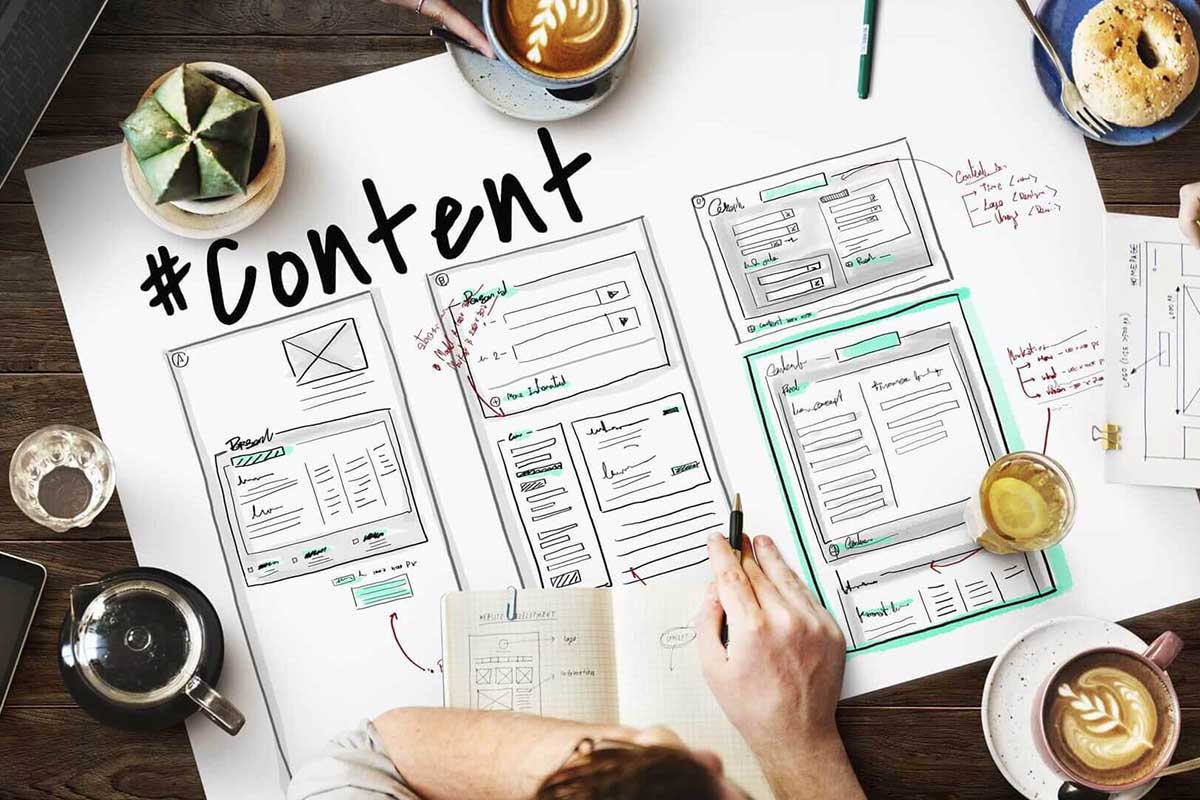
This is a classic situation of the “cute but not too bright” site. The site was developed to be very attractive and nominally useful, but I can tell that there was no user-centered design involved. If there had been, the persona of “Member” with a relatively core scenario of “logging in to update profile” would have yielded an appropriate usecase, and the resulting deliverables – wireframes and transaction screenflows – would have addressed this rather shocking gap.
Now, I will admit to being the 5% for whom things don’t work the way they do for the rest of the world. For example, when the local telecommunications company came to my multi-tenanted office building to install a cell tower, they knocked out a couple of phone lines by accident. Mine was one of them. So perhaps the site works fine for most others, and it’s just me that’s not seeing some bright, well-placed link to “Member Profile”, and if that is so, I apologize for using this organization as an example.
But let’s assume, for a moment, that what I see is what everyone else sees. In that case, the resources expended doing the mail-out, asking members to update their profiles, has now been in vain if the email recipients cannot fulfill the request. Additional resources will be expended to handle the requests that arrive from members wondering how to complete the task. If, indeed, a fix needs to be made, yet more resources are needed to fix the site, then send out another email to members. The results of the second email may be less effective than the first, as members may assume this is simply a resend of the first email and delete without reading it.
The principle remains true: it’s critical for a website to be useful first, pretty second, and the only way to ensure that is to follow a UCD process before tackling the graphic side of the design. In the previous example, the ROI of employing UCD before creating the site, the first time, in a way that all the core use cases could be handled would have far outweighed the financial and relationship consequences of only one botched email campaign. Back in the 190s, one agency estimated that “…cost-benefit ratio for usability is $1:$10-$100. Once a system is in development, correcting a problem costs 10 times as much as fixing the same problem in design. If the system has been released, it costs 100 times as much relative to fixing in design.” (Gilb, 1988) I would love to see some numbers from this decade, as agile development methods may have turned the metrics a bit. However, whether the ratio is $1:$10-$100 or has dropped to $1:$5-$50, those are still large numbers, if you think of it in terms of shareholder profit that could be recovered while improving service to customers.
Popularity: 4% [?]
Comments
Leave a Reply
Recent Posts
- Technology won’t fix a bad strategy
- CMS Facts and Myths, and Why Process is So Important
- Skills to transition to content strategy
- Content strategy: The skills conundrum
- Abilities and aptitudes for a content strategist
- The extraordinary world of content strategists
- Dispelling More Content Myths
- Dispelling Myths about the Content Lifecycle
- Content Lifecycle
- Satisfying the cat: a user-centered design metaphor
Categories
Tags
accessibility ann rockley career development CMS content as asset content convergence content lifecycle content management content strategy convergence DITA Duo Consulting experience design Flash information architecture integration intelligent content interaction design management marketing mentors microformats open standards politics processes professional development ROI search section 508 services single-sourcing social media STC structured content syndication taxonomy TechCraft translation Twitter usability user-centered design user-generated content user experience value XMLPopular
- Using topic-based writing to meet aggressive deadlines
- Flash pages, skip intros, and other annoying content
- Content strategy includes convergence, integration, and syndication
- Content strategy and the new face of documentation
- Redefining content strategy
- A practical definition of content
- CMS selection practices need maturation
- The Content is Not in the Tool: Using Blogging, Microblogging, and Related Social Media Tools to Get Jobs and Influence People (or not)
- 5 Top Business Benefits of Content Re-Use
- Having community means growing community
Random Posts
- RT @s2d_jamesr: RT @elreiss: new article on Johnny Holland: "In defense of 'making it up as you go along'" Comment: http://bit.ly/9NCIQk 1 day ago
- Hastings St near Nuba. Roller blader ran a red light and smashed into truck. She, furious, gestured the truck to leave. Big dent, for sure. 1 day ago
- Canadian? Want to win a free copy of @lukew's "Web Form Design"? Then enter our contest! http://is.gd/dRenr Pls RT 1 day ago
- Definitely worth it! 50% off "Storytelling for User Experience" by @whitneyq & @storykevin Use code 50offST: http://is.gd/dNu6x Pls RT 3 days ago
- More updates...


Latest Tweets
RSS feed
Twitter