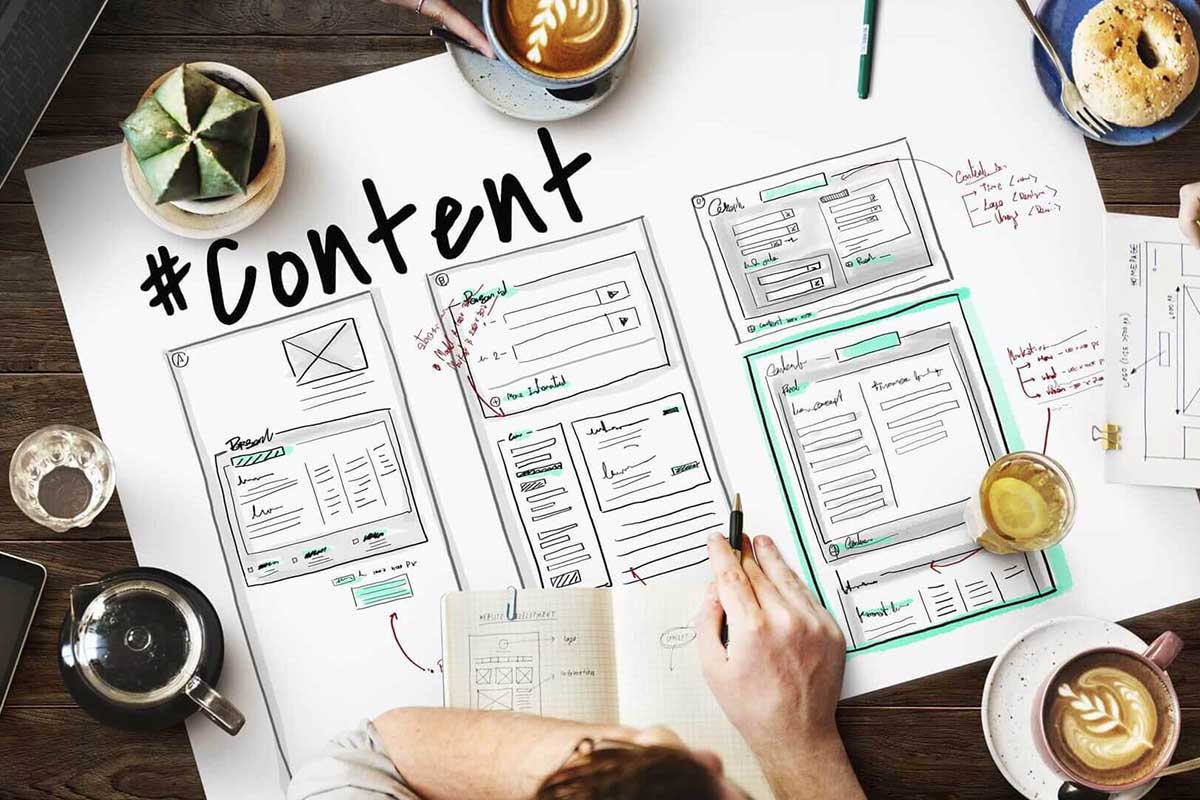
Picking through the alphabet soup of content management technologies

Managing content takes many forms. In fact, you could serve up a veritable alphabet soup of acronyms that vary on the content management theme: the basic CM (content management), WCM (Web content management), ECM (enterprise content management), DMS (document management), DAM (digital asset management), KM (knowledge management), LM (learning management), PIM (product information management), RM (records management or rights management), and CRM (customer relationship management). These terms refer to different types of content, with specific business requirements and processes that drive the feature set of the particular technologies.

Not surprisingly, none of the technologies mentioned so far support the production of content for purposes of producing technical documentation.

That is a specific type of content management system that has specialized functions for technical communicators doing multi-channel publishing, yet it hasn’t spun off its own specific acronym.  Sometimes called structured content management with XML – personally, I think XSCM would make a fine acronym for XML content management – it refers to what I hear many writers still do with “FrameMaker and an Excel spreadsheet”: facilitate re-use of content across multiple output channels such as print, PDF, online help, and customer support knowledge base.

So when confronted with this jungle or acronyms, how can you tell what’s what? Borrowing heavily from the glossary compiled by CM Professionals at http://www.cmsglossary.com, I’ll be posting a series of articles that take a look through the many acronyms behind the technologies enabling companies to handle their content management needs.

Share this post: These icons link to social bookmarking sites where readers can share and discover new web pages.
  • del.icio.us
  • StumbleUpon
  • email
  • Facebook
  • LinkedIn
  • TwitThis

Comments

Leave a Reply